How to Improve Credit Score: 7 Proven Steps That Actually Work

7 minute read
Written by
Eric Johnson
Eric Johnson

Director, Retail Lending

September 12, 2026
friends drinking coffee

Whether you’re just starting out, rebuilding after a setback, or trying to strengthen your financial footing, build credit in a way that feels manageable, intentional, and aligned with your goals

How to Improve Credit Score: 7 Proven Steps That Actually Work

Improving your credit score can feel overwhelming, especially if you're recovering from a financial setback or aren't sure where to start. The good news is that credit scores are designed to change over time. With consistent habits and the right information, most people can improve their credit profile and create more financial opportunities for the future.

Your credit score affects much more than borrowing money. It can influence loan approvals, interest rates, housing applications, and overall financial flexibility. The key is understanding how credit works and focusing on the actions that make the biggest difference.

In this guide, you'll learn:

  • What a good credit score is
  • How to check your credit score and credit report
  • The factors that affect your score
  • Common mistakes that damage credit
  • Seven proven ways to improve your credit score
  • How long credit improvement typically takes

What Is a Good Credit Score?

In most cases, a score of 670 or higher is considered good. A score in the very good or excellent range may help you qualify for better rates and more favorable lending terms.

While FICO and VantageScore use slightly different formulas, both evaluate many of the same factors, including credit history, credit utilization, credit age, and recent credit activity.

Why Your Credit Score Matters

Your credit score can influence:

  • Loan approvals
  • Interest rates
  • Credit card approvals
  • Housing applications
  • Insurance pricing in some states
  • Overall financial flexibility

For example, two people purchasing the same vehicle may qualify for very different interest rates based on their credit scores. Over the life of a loan, a lower interest rate can potentially save thousands of dollars.

At Allegacy, we've seen members make meaningful progress simply by improving a few key habits. Even modest score improvements can expand future options.

Credit Score Ranges Explained

A credit score is a numerical representation of your creditworthiness or how likely you are to repay your debts. Most lenders use either a FICO® Score or VantageScore®, both of which generally range from 300 to 850.

Credit Score RangeRating
300-579Poor
580-669Fair
670-739Good
740-799Very Good
800-850Excellent

How to Check Your Credit Score and Credit Report

Where to Check Your Credit Score

Many consumers can access a free credit score through:

  • Credit card providers
  • Banks and credit unions
  • Credit monitoring tools
  • Credit score services

Many financial institutions now provide a free credit score as part of online banking.

How to Get Your Free Credit Report

You can obtain a free credit report from each of the three major credit bureaus through AnnualCreditReport.com, the federally authorized source for free credit reports.

The three major credit reporting agencies are:

  • Experian
  • Equifax
  • TransUnion

Reviewing all three reports can help ensure the information being reported about you is accurate.

How to Read a Credit Report

Your credit report typically includes:

Personal Information

  • Name
  • Address
  • Employment information

Account History

  • Credit card accounts
  • Installment loans
  • Home equity loan information
  • Mortgage or auto loan details

Payment History

  • On-time payments
  • Late payments
  • Delinquencies, including collections and charge offs

Credit Inquiries

  • Hard inquiries from applications
  • Soft inquiries from monitoring services (see differences between the two HERE)

Public Records

  • Bankruptcies and other qualifying public records

Pay special attention to:

  • Accounts you don't recognize
  • Incorrect balances
  • Duplicate accounts
  • Incorrect late payment reporting
  • Personal information errors

Small inaccuracies can sometimes have a larger impact than consumers realize.

Learn more about credit cards

Card
Credit cards

See our variety of credit card options and find the one that suits your needs best.

The 5 Factors That Affect Your Credit Score

Payment History

What it is: Your record of making payments on time.

Why it matters: Payment history is typically the most important factor in most scoring models.

Practical takeaway: Set up automatic payments or reminders to avoid missed due dates.

Credit Utilization

What it is: The percentage of available revolving credit you're currently using.

Why it matters: High credit card balances relative to your credit limit may signal risk to lenders.

Practical takeaway: Aim to keep your credit utilization ratio below 30%, and ideally below 10% when possible.

Length of Credit History

What it is: The age of your oldest accounts and the average age of all accounts.

Why it matters: Longer credit histories provide more information for lenders to evaluate.

Practical takeaway: Think carefully before closing older credit card accounts.

Credit Mix

What it is: The variety of credit types you manage.

Examples include:

  • Credit card accounts
  • Installment loans
  • Car loans
  • Mortgages

Why it matters: Managing different account types responsibly may demonstrate broader credit experience.

Practical takeaway: Don't open accounts solely for credit mix. Focus on products that genuinely fit your needs.

New Credit Applications

What it is: Recent applications for credit.

Why it matters: Multiple hard inquiries within a short period may indicate increased borrowing risk.

Practical takeaway: Apply for new credit strategically rather than frequently.

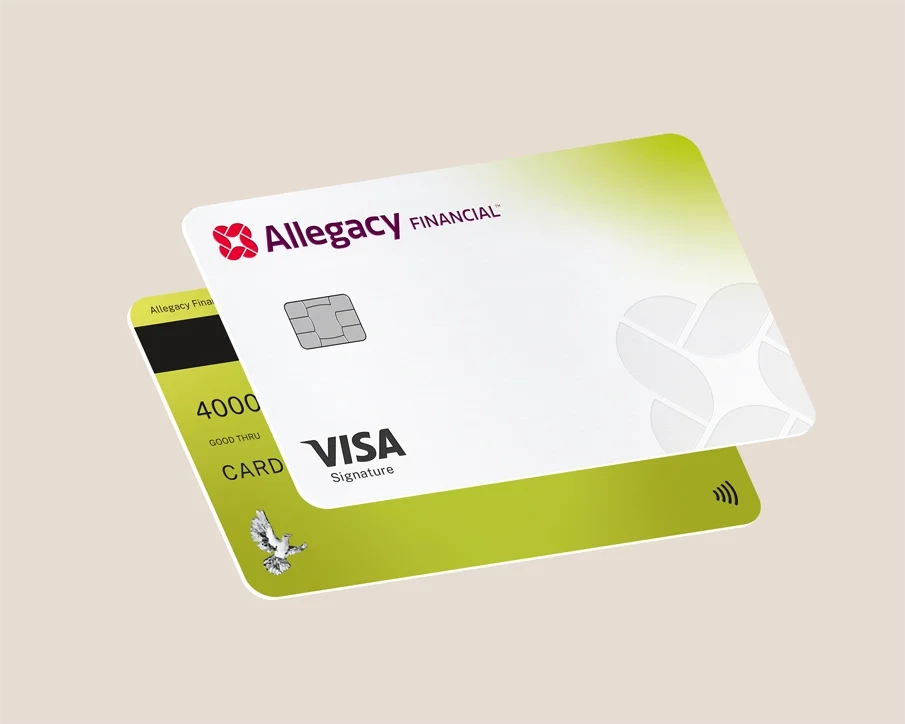
Find the right credit card for your needs

visa-signature-rewards

Visa Signature Rewards

Earn points on every dollar you spend and redeem rewards for cash, merchandise, travel, and experiences

Includes a long introductory APR* for purchases and transfers

Higher credit requirements than Platinum or Secured

A strong option if you pay regularly and want extra value back

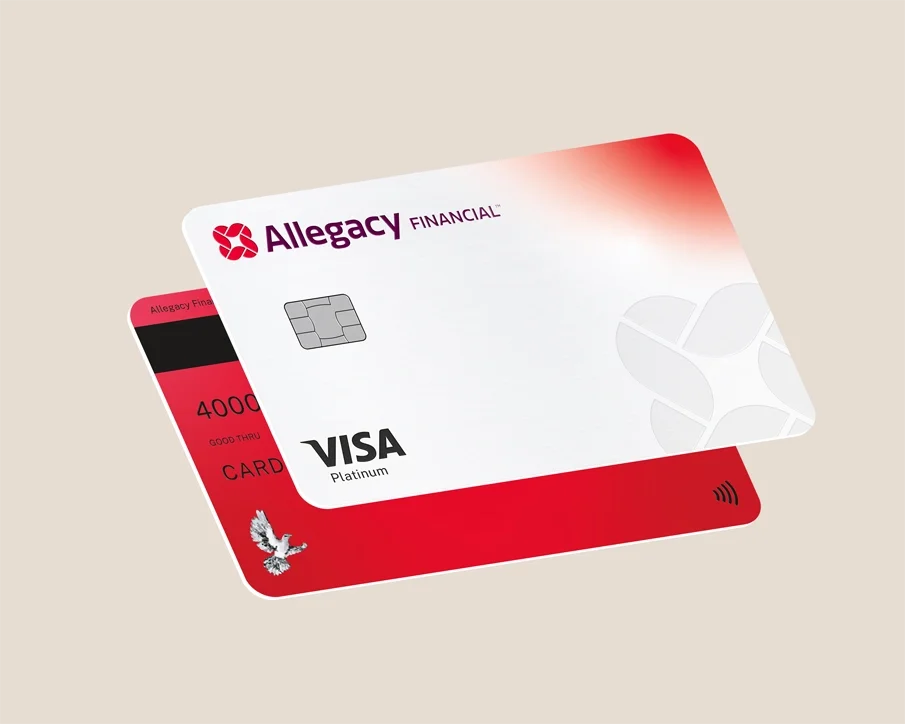
visaplatinum

Visa Platinum

Ideal if you want low, prime-based interest rates

Higher credit limits available based on your qualifications

Long introductory APR** helps manage purchases or transfers

A good fit if you expect to carry a balance month to month

Focuses on savings and flexibility, not rewards

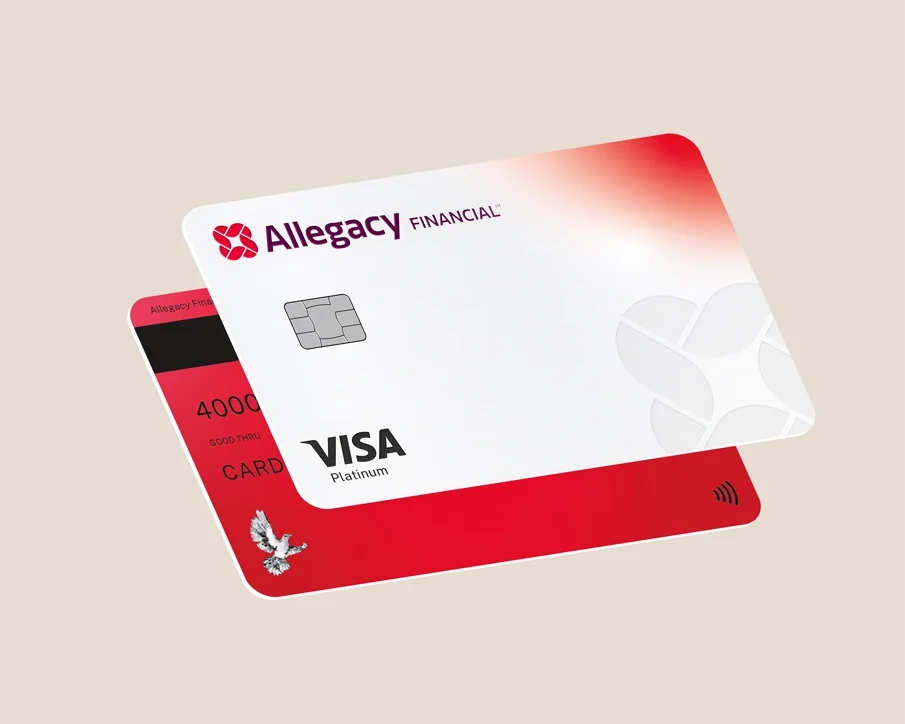
visa platinum secured

Visa Platinum Secured

Designed for members who are just starting out or working to improve their credit

Your credit limit is based on money you set aside as security

Helps establish positive payment history over time

Simple structure with no rewards to manage

A steady, lower-risk way to move forward with confidence

The Most Common Ways People Hurt Their Credit Score

Many consumers assume credit damage comes from one major financial event. In reality, most score declines result from repeated habits over time.

Missing or Late Payments

Even a single late payment can affect your credit score, particularly if it becomes 30 days or more past due.

Carrying High Credit Card Balances

High credit card balances increase your credit usage and may negatively affect your score.

Applying for Too Much Credit at Once

Multiple hard inquiries in a short timeframe can temporarily lower your score.

Closing Old Credit Accounts

Closing an older account may reduce your available credit and shorten your average account age over time.

Ignoring Credit Report Errors

Mistakes happen. Failing to review your reports regularly can allow errors to persist.

Maxing Out Credit Cards

Using most or all of your available credit can significantly increase utilization ratios.

Co-Signing Without Understanding the Risk

If the primary borrower misses payments, those issues can affect your credit history as well.

Letting Accounts Go to Collections

Collection accounts can remain on your credit report for years and may significantly impact your score.

Key takeaway: Most credit damage comes from a handful of repeated behaviors rather than one catastrophic mistake.

7 Proven Ways to Improve Your Credit Score

1. Review Your Credit Report for Errors

Start by checking your reports from the major credit bureaus.

If you find an error:

  1. Gather supporting documentation.
  2. Contact the credit bureau reporting the information.
  3. Submit a dispute online, by mail, or through the bureau's dispute process.
  4. Monitor for updates and resolution.

Correcting inaccurate information can sometimes result in relatively quick improvements.

2. Pay Every Bill on Time

Consistent on-time payments are one of the most effective ways to build positive credit history.

Helpful tools include:

  • Automatic payments
  • Calendar reminders
  • Budgeting apps
  • Account alerts

Many consumers find automation removes much of the stress from staying on schedule.

3. Lower Your Credit Utilization

Credit utilization measures how much of your available credit you're using.

For example:

  • Credit limit: $5,000
  • Balance: $2,500
  • Utilization: 50%

Reducing that balance to $500 lowers utilization to 10%, which is generally viewed more favorably.

Ways to reduce utilization include:

  • Paying balances more frequently
  • Making larger payments
  • Requesting a credit limit increase when appropriate

4. Keep Older Accounts Open

Older accounts contribute to your credit history length.

Even if you don't use an older card frequently, keeping it open may help maintain account age and available credit. Older accounts can positively impact your credit score by 15% because they increase your average credit age.

5. Become an Authorized User

Being added as an authorized user on a well-managed account may help establish or strengthen credit history.

This strategy tends to work best when:

  • The primary user has excellent payment history
  • The account has low utilization
  • The account has been open for several years

Not all lenders report authorized user activity the same way, so results may vary.

6. Consider a Secured Credit Card

A secured card can be a useful tool for building or rebuilding credit.

Here's how secured cards work:

  • You provide a refundable security deposit.
  • The deposit typically becomes your credit limit.
  • The card functions similarly to a traditional credit card.
  • Activity is reported to credit bureaus.

People who are new to credit or rebuilding after challenges often benefit from this approach.

Allegacy's Visa® Platinum Secured Credit Card is designed specifically to help members establish positive credit habits through responsible use and on-time payments.

To maximize the benefit:

  • Make small purchases
  • Pay balances in full when possible
  • Avoid carrying large balances
  • Always pay on time

7. Limit New Credit Applications

Each hard inquiry may have a small, temporary impact on your score.

When shopping for major loans such as a mortgage or car loan, multiple inquiries within a limited time period are often treated as a single inquiry for scoring purposes.

Still, it's wise to avoid applying for several new credit accounts at once.

Thinking about a balance transfer? Run the numbers first

A lower credit card intro rate doesn’t always mean lower cost. Use this calculator to compare promotional periods, transfer fees, and standard rates—so you know whether a balance transfer works in your favor. 

woman working from home

How Long Does It Take to Improve a Credit Score?

Credit improvement timelines vary depending on your starting point and the actions you take.

30-90 Days

You may see movement if you:

  • Pay down high balances
  • Correct reporting errors
  • Reduce credit usage

3-6 Months

Many people begin seeing measurable improvement through:

  • Consistent on-time payments
  • Lower balances
  • Stable account management

6-12 Months

More significant score gains often occur when positive habits are maintained consistently.

Long-Term Rebuilding

Recovering from collections, charge-offs, bankruptcies, or major delinquencies may take several years.

The most important lesson: consistency matters more than speed.

There are no legitimate shortcuts that replace responsible credit management.

Want to learn more about building credit? Speak with an expert

Our Allegacy experts are here to equip you with all the knowledge you need about building credit. We’re here to help walk you through it step-by-step.

Common Credit Score Myths

Myth: Checking Your Own Credit Hurts Your Score

False. Checking your own credit creates a soft inquiry and does not affect your score.

Myth: Carrying a Balance Builds Credit

False. Paying on time builds credit. Carrying interest-bearing balances is not required.

Myth: Closing Old Accounts Helps Your Score

False. Closing older accounts can sometimes hurt your score by reducing account age and available credit.

Myth: Income Directly Affects Your Credit Score

False. Income itself is not a scoring factor.

Myth: Paying Off Debt Instantly Fixes Credit

False. Paying off debt helps, but credit improvement often takes time as positive information accumulates.

When It Makes Sense to Seek Additional Help

Some situations may benefit from professional guidance.

Examples include:

  • Significant debt burdens
  • Multiple collection accounts
  • Identity theft
  • Bankruptcy recovery
  • Complex credit challenges

At Allegacy, our specialists frequently work with members who feel stuck or uncertain about where to begin. Often, the most helpful step is simply creating a clear plan based on individual circumstances.

Credit challenges are more common than many people realize, and improvement is almost always possible with the right approach and patience.

Small Steps Can Lead to Meaningful Progress

Improving your credit score is a process, not a one-time event. The habits that strengthen credit are often simple: paying on time, keeping balances manageable, reviewing your credit report regularly, and using credit responsibly.

The encouraging part is that you have more control than you may think. Small actions repeated consistently often produce the most meaningful results.

If you're looking for additional guidance, explore Allegacy's educational resources, credit-building tools, and secured credit card options, or connect with an Allegacy specialist who can help you take the next step with confidence.

Your questions, answered

Generally, a score of 670 or higher is considered good, while scores above 740 are considered very good or excellent.

Pay down high credit card balances, reduce credit utilization, and dispute any reporting errors.

Late payments, collections, high credit utilization, and repeated missed payments tend to have the greatest impact.

Review your credit report at least annually, and more frequently if you're actively working on credit improvement.

No. Checking your own score creates a soft inquiry and does not affect your credit score.

Yes. Responsible use of a secured credit card can help establish positive payment history and build credit over time.

Disclosure

Visa Signature: 

*APR = Annual Percentage Rate. 0% Intro APR for 18 months on purchases and balance transfers made within 12 months of account opening. After that, a variable APR of 14.65%–16.65% (maximum 16.65%) applies, based on creditworthiness, and will vary with the Prime Rate. A balance transfer fee of 3% of each transaction or $5 minimum applies during the intro period; no balance transfer fee applies after. No annual fee. Cash advance and foreign transaction fees may apply. Membership eligibility required. Subject to credit approval. Terms and conditions may change. See Application and Solicitation Disclosure for details. 

Zero Liability Fraud Protection does not apply to certain transactions, including ATM and some PIN or commercial transactions. Report unauthorized use promptly. See account agreement for details. 

Visa Platinum: 

**APR = Annual Percentage Rate. 0% Intro APR for 18 months on purchases and balance transfers made within 12 months of account opening. After that, a variable APR of 11.65%–16.65% (maximum 16.65%) applies, based on creditworthiness, and will vary with the Prime Rate. A balance transfer fee of 3% of each transaction or $5 minimum applies during the intro period; no balance transfer fee applies after. No annual fee. Cash advance and foreign transaction fees may apply. Membership eligibility required. Subject to credit approval. Terms and conditions may change. See Platinum Benefits Guide and Application and Solicitation Disclosure for details. 

Zero Liability Fraud Protection does not apply to certain transactions, including ATM and some PIN or commercial transactions. Report unauthorized use promptly. See account agreement for details.